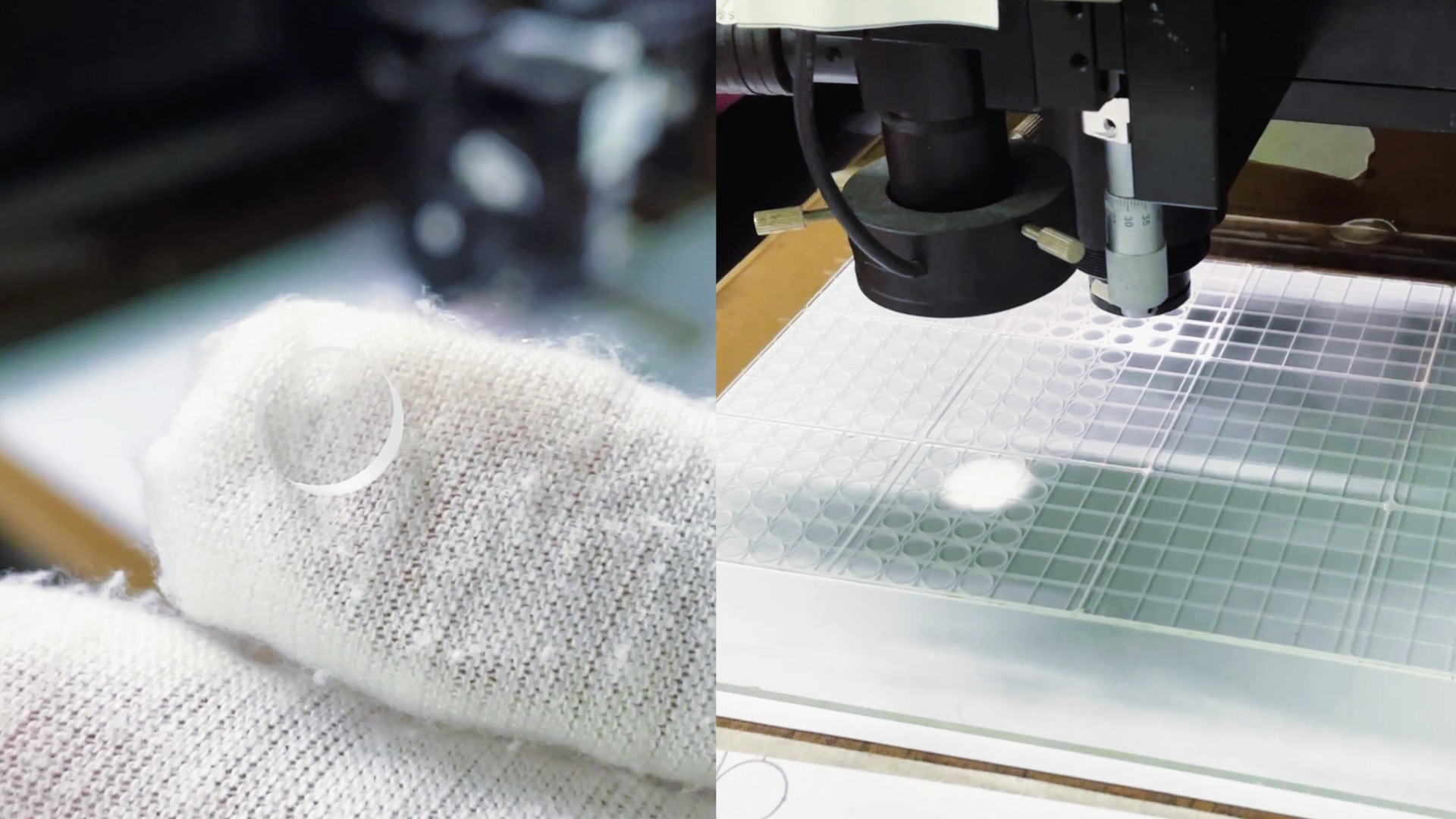
Does the current manufacturing industry face pain points such as edge breakage, cracking, large heat affected zone, and low yield when processing brittle materials (such as sapphire, glass, ceramics), polymer materials (such as PI, PET), and semiconductor materials?
How can we solve the pain points and difficulties in the processing of these materials?
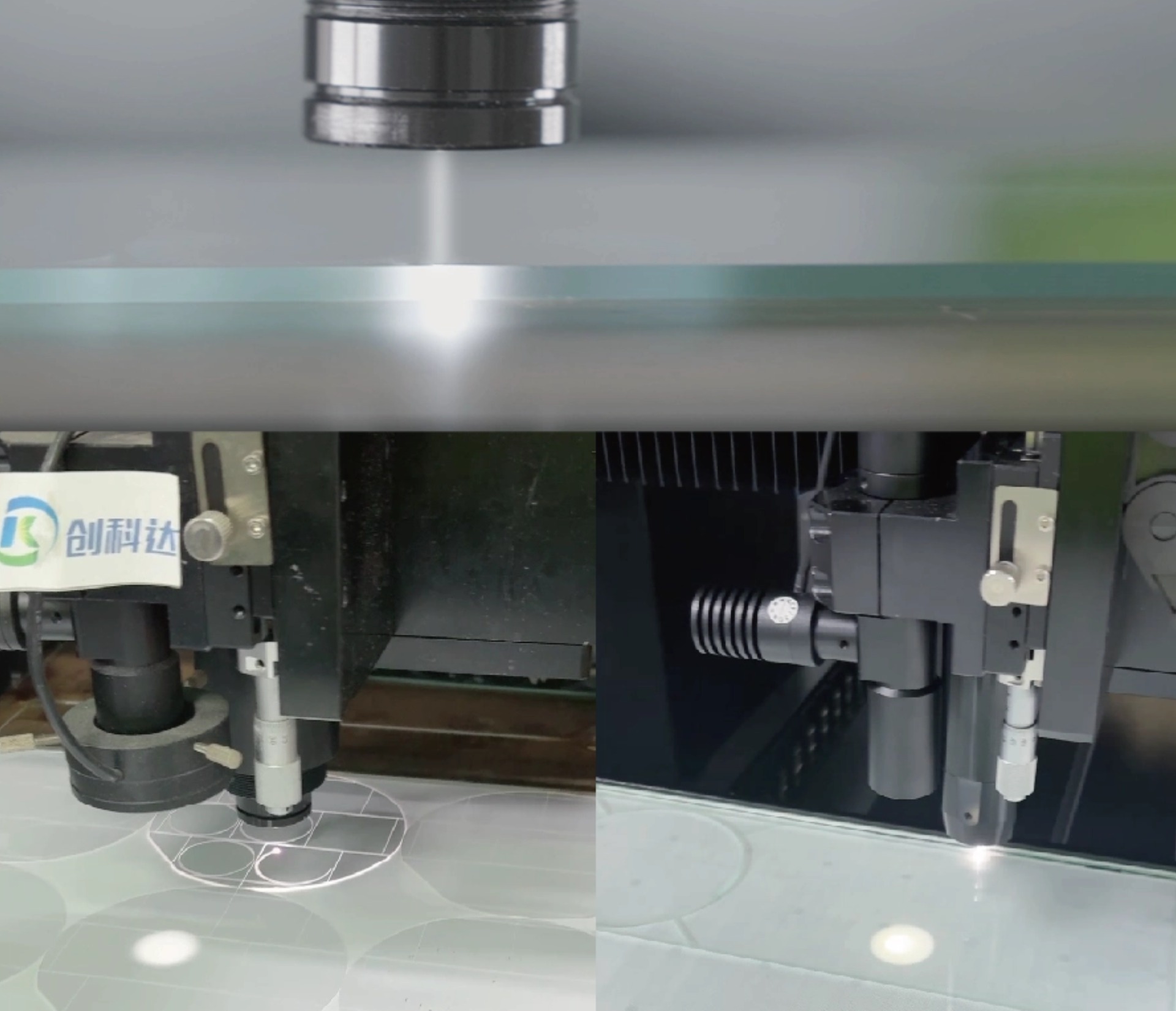
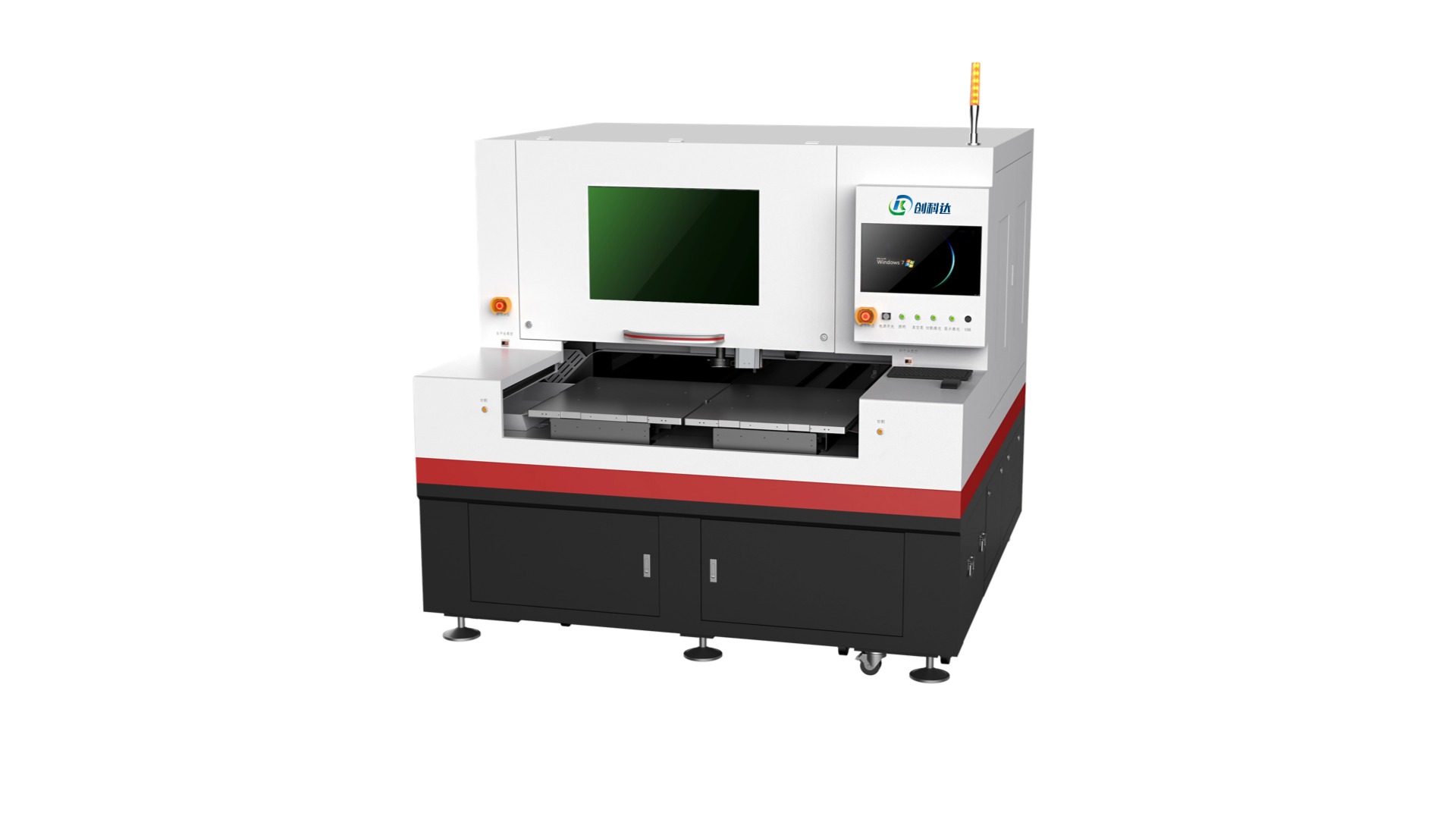
The "infrared picosecond" glass laser cutting equipment developed by Chuangkeda can effectively solve these problems.
Let's first understand what "picosecond" and "infrared" are?
The ultrafast speed of "picoseconds": Using analogy to explain the brief duration of picoseconds (10 ⁻¹ ² seconds), which is much shorter than the time it takes for electrons in the material to transfer energy to lattice ions (the "cold working" principle).
The advantages of the "infrared" band: Explain that infrared wavelengths (such as 1064nm) have good material adaptability, can be effectively absorbed by many non-metallic and polymer materials, and can also process some metallic materials through nonlinear effects.
The four core advantages of infrared picosecond laser:
Almost zero thermal impact: "Cold processing" ensures that the material edges are not melted or carbonized, maintaining the original characteristics of the material.
Extremely high machining accuracy: capable of achieving micro level or even smaller cutting seams and feature sizes, meeting the demand for ultra-high precision.
Wide material universality: from hard sapphire and ceramics to flexible PI film and transparent glass, high-quality processing can be achieved.
Excellent edge quality: no broken edges, no micro cracks, greatly reducing subsequent polishing, cleaning and other processes, improving yield and efficiency.
Application scenario outlook
The latest generation of "infrared picosecond" glass laser cutting equipment developed by Chuangkeda Precision Electromechanical can meet the processing needs of various industries for glass cutting, such as in household appliances (TV, gas stove, electronic scale, microwave oven), 3C mobile phones, bathroom glass, car rearview mirror glass, eye glass, consumer electronics (OLED screen cutting, glass cover), K9 optical glass, semiconductor (wafer slicing) and other fields.
Embracing infrared picosecond technology is embracing the next generation of precision manufacturing.
If you are troubled by traditional processing techniques, please feel free to contact us for exclusive process solutions